 UK
UK 


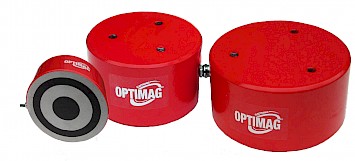
Optimag E - Electronically Activated Handling System
Fast, easy lifting, handling and placing of ferrous loads
To fit both hold and release electromagnets
Overview - Armature Plates for Electromagnets
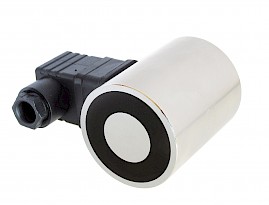
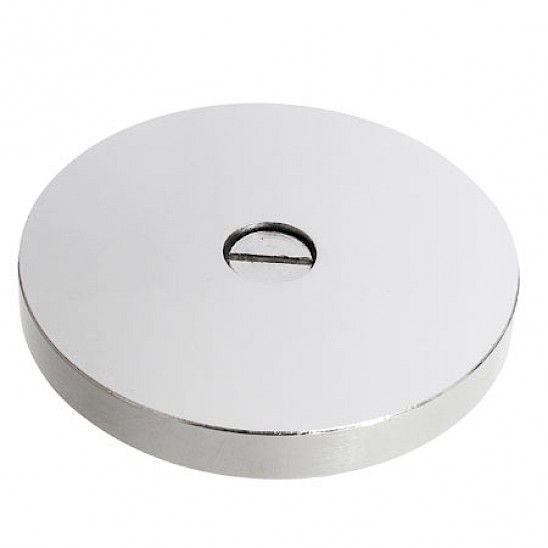
Armature plates are high-quality ferromagnetic plates designed to allow electromagnets and electro-permanent magnets to perform at their maximum possible holding force. By providing high magnetic permeability, low remanence, minimal air gap, and an optimal magnetic pathway, these plates ensure consistent and reliable clamping performance in demanding applications.
These armature plates are specifically sized and engineered to suit both Energise-to-Hold Electromagnets and Energise-to-Release Electro-Permanent Magnets. They are commonly used as keeper plates to achieve optimum holding performance, particularly in applications where no suitable ferromagnetic surface exists or where the available surface is unsuitable for effective magnetic clamping.
Purpose and Function of Armature Plates
An electromagnet or electro-permanent magnet must clamp onto a ferromagnetic surface to achieve its rated pull force. Suitable materials typically include mild steel or ferromagnetic stainless steel. However, the quality of the ferromagnetic surface has a direct impact on magnet performance.
Thin materials can become magnetically saturated and fail to carry sufficient magnetic flux, resulting in reduced holding force. Similarly, corroded steel, materials with poor magnetic permeability, curved or uneven surfaces, and coated or painted finishes introduce air gaps that significantly reduce magnetic performance.
Armature plates overcome these limitations by providing a controlled, high-quality ferromagnetic interface, allowing the magnet to achieve optimal pull force even in challenging installations.
Dedicated Armature Plate Design
These armature plates are manufactured from high-quality ferromagnetic material and are available in diameters ranging from 25 mm to 100 mm, matched to the sizes of the electromagnets and electro-permanent magnets they support. Larger diameter electromagnets generate greater magnetic flux and therefore require thicker armature plates to achieve optimal performance.
Plate thickness varies from 3 mm for the 25 mm diameter version up to 12 mm for the 100 mm diameter version, ensuring the ferromagnetic material can carry the required magnetic flux without saturation.
Each armature plate includes a counterbore fixing hole, allowing flush mounting with no protrusions. The counterbore holes are designed to accept M3 to M10 counterbore screws, depending on plate size, and each plate is supplied complete with a matching counterbore fixing screw.
Typical Uses of Armature Plates
Armature plates are commonly used:
When no ferromagnetic surface is available for magnetic clamping
Where existing steel is too thin, corroded, curved, or coated
To maximise pull force from electromagnets and electro-permanent magnets
In industrial automation, access control, safety systems, and machinery
As keeper plates for consistent and repeatable magnetic performance
They may also be used with other magnetic products where a suitable ferromagnetic clamping surface is required, although they are optimised specifically for use with Energise-to-Hold Electromagnets and Energise-to-Release Electro-Permanent Magnets.
Key Benefits of Armature Plates
Maximises magnetic holding force
High magnetic permeability for efficient flux transfer
Low remanence for clean release
Minimised air gap for consistent performance
Flush mounting design with supplied fixing screw
Matched sizing for electromagnets and electro-permanent magnets
| Product Number | Dia. d | Height (mm) | Weight (g) | Dia. (in) | Height (in) | Weight (lb) |
|---|---|---|---|---|---|---|
| M52171/25ARM | 25 | 3 | 15 | 0.984 | 0.118 | 0.03 |
| M52171/30ARM | 30 | 4 | 30 | 1.181 | 0.157 | 0.07 |
| M52171/40ARM | 40 | 5 | 50 | 1.575 | 0.197 | 0.11 |
| M52171/50ARM | 50 | 6 | 100 | 1.969 | 0.236 | 0.22 |
| M52171/65ARM | 65 | 8 | 210 | 2.559 | 0.315 | 0.46 |
| M52171/80ARM | 80 | 10 | 400 | 3.15 | 0.394 | 0.88 |